
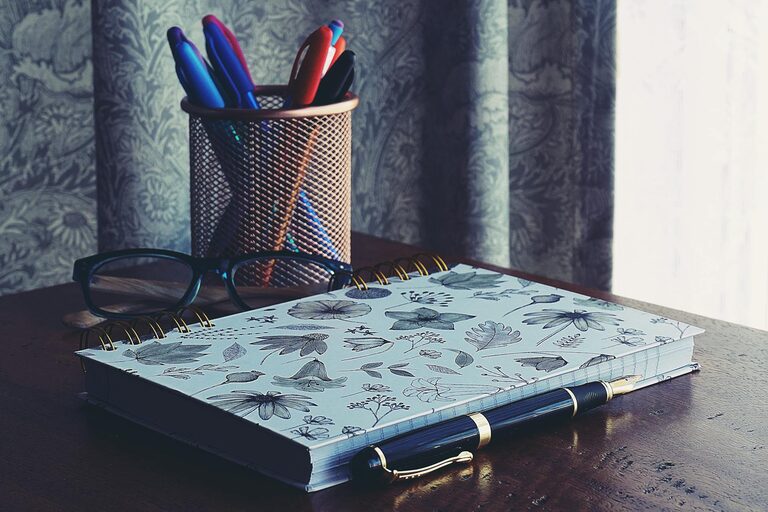
Choosing the right notebook might seem like a simple task, but if you’ve ever bought one and never used it, you’re not alone. A notebook that fits your preferences and habits can become a trusted companion for work, school, or personal projects. In this post, we’ll guide you through the essential factors to consider when picking a notebook you’ll actually enjoy and use regularly.
Why Choosing the Right Notebook Matters
Notebooks are more than just blank pages; they’re tools to capture ideas, organize thoughts, and plan tasks. The right notebook can boost your productivity and creativity, while the wrong one might end up forgotten on a shelf. When you select a notebook that suits your style and needs, it encourages consistent use and helps you stay organized.
Consider Your Purpose
Before grabbing the first notebook you see, ask yourself what you will primarily use it for. Different uses require different features.
Common Notebook Purposes
– Journaling or diary – May require thick paper to handle various pens or markers.
– Note-taking – Might benefit from lined pages and a durable cover.
– Sketching or creative work – Often needs blank or dotted pages and high-quality paper.
– Planning and to-do lists – Could be easier with pre-formatted sections or grids.
– Professional settings – Usually looks best with a sleek, simple design and a sturdy cover.
Knowing the main use will help narrow your options and avoid purchasing a notebook that doesn’t fit your workflow.
Choose the Right Size
Notebooks come in many sizes, from pocket-friendly to large sketchbook formats.
Popular Notebook Sizes
– A5 (5.8 x 8.3 inches): Compact but offers enough space for daily notes.
– A4 (8.3 x 11.7 inches): Similar to standard printer paper, ideal for detailed notes or sketches.
– Pocket size (around 3.5 x 5.5 inches): Perfect for on-the-go jotting.
Consider where and when you will use your notebook. If you want something portable, a smaller size might be best. For desk use or extensive note-taking, a larger format is preferable.
Paper Quality and Type
The paper inside is critical for your writing experience and durability.
Key Paper Features
– Weight (gsm): Heavier paper (80 gsm or above) usually prevents ink bleed-through.
– Texture: Smooth paper works well with pens, while rougher paper suits pencil and charcoal.
– Color: White or cream paper is standard, but some prefer off-white for less eye strain.
– Ruling: Choices include lined, dotted, grid, or blank—each supports different uses.
If you use fountain pens or markers, investing in higher-quality paper can prevent frustration due to bleeding or feathering.
Binding Types
How the notebook is bound affects usability and durability.
Common Binding Options
– Spiral-bound: Allows the notebook to lie flat and fold back on itself but may be less durable.
– Sewn or stitched: More durable and can open flat with care.
– Perfect bound (like a paperback book): Sleek but less flexible.
– Disc-bound: Modular and refillable, offering customization.
Think about how often you plan to lay the notebook flat or fold it back as you write.
Cover Material and Design
The cover protects the pages and reflects your style.
Popular Cover Materials
– Hardcover: Durable and sturdy, great for protection.
– Softcover: Lightweight and flexible but may wear faster.
– Leather or imitation leather: Adds elegance and durability.
– Fabric or paper: Offers variety but may be less protective.
Additionally, consider whether you want a design that stands out or something minimal and professional.
Additional Features to Look For
Many notebooks come with features that can enhance usability.
– Page numbers and indexes: Help keep your notes organized.
– Built-in bookmarks or elastic closures: Keep your notebook secure and mark important pages.
– Pocket folders: Useful for storing loose papers or receipts.
– Perforated pages: Make it easy to tear out pages cleanly.
Decide which extras will genuinely benefit your workflow without adding unnecessary bulk.
Budget Considerations
Notebooks range from budget-friendly to luxury prices. While it’s tempting to pick the cheapest option, investing in a quality notebook that you’ll use daily can save money in the long run by preventing waste.
Test Before Buying (If Possible)
If you have the chance, handle a notebook before purchasing. Feel the paper, open it flat, and imagine yourself using it. Sometimes, tactile experience can make all the difference.
Conclusion
Choosing a notebook you’ll actually use requires thinking about how you work, what feels comfortable, and what inspires you. By considering the purpose, size, paper quality, binding, and additional features, you’ll find a notebook that encourages creativity and productivity rather than collecting dust. Take your time, explore a few options, and soon you’ll have the perfect notebook by your side.
Happy writing!