
Reducing food waste at home is a great way to save money, make better use of your groceries, and help reduce the environmental impact associated with food production and disposal. With a few simple habits and mindful choices, anyone can significantly cut down on the amount of food that ends up in the trash. This blog post explores practical steps you can take to reduce food waste, organized into easy-to-follow categories.
Why Reducing Food Waste Matters
Before diving into the how, it’s helpful to understand why reducing food waste is important. Globally, approximately one-third of all food produced is wasted. This wasted food leads to unnecessary use of water, energy, and other resources, along with increased greenhouse gas emissions from decomposing food in landfills.
At home, food waste means spending more money replacing food that was never eaten and creating more household waste. By making small changes, you can contribute to a more sustainable lifestyle and stretch your food budget further.
Plan Your Meals Ahead
Create a Meal Plan
One of the most effective ways to reduce food waste is by planning your meals for the week. When you decide what you’re going to cook each day, you can make a precise grocery list based on the ingredients needed. This helps avoid buying items you won’t use.
Shop with a List
Stick to your shopping list and try to avoid impulse buys, especially perishable items or those you already have at home. Using a list also helps prevent buying duplicates and lets you focus on essential items.
Smart Shopping Tips
Buy Only What You Need
Consider purchasing loose or smaller quantities rather than bulk packages if you’re unsure whether you can consume them before they spoil. This is especially useful for fresh produce, dairy, and bakery items.
Understand Expiration Dates
Many people throw away food once the “best before” or “sell by” date passes. However, these dates are often about quality, not safety. Learn how to interpret these labels correctly and use your senses—smell, look, and taste—to decide if food is still good.
Proper Storage Techniques
Store Food Correctly
Proper storage can prolong the life of your food and keep it fresh longer. For example:
– Keep fruits and vegetables in the crisper drawer of your fridge.
– Store bread in a cool, dry place or freeze it to prevent mold.
– Place leftovers in airtight containers and label them with the date.
Use Clear Containers
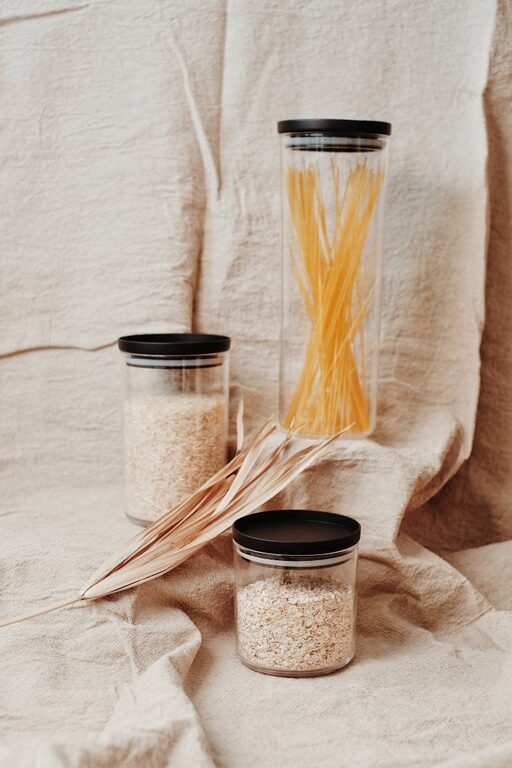
Storing food in transparent containers helps you see what you have, preventing forgotten items from going bad. It also encourages eating leftovers sooner.
Get Creative with Leftovers
Repurpose Leftover Ingredients
Transform extra vegetables, grains, or proteins into soups, stir-fries, salads, or casseroles. Many recipes online focus on “leftover makeovers” to inspire you.
Freeze Excess Food
If you can’t consume food before it spoils, freeze it for later use. Most cooked meals and many raw ingredients freeze well without loss of flavor or texture.
Practice Portion Control
Serve Smaller Portions
Start with smaller servings to avoid uneaten food on plates. People can always take seconds if still hungry.
Use Measuring Tools
While cooking, use cups, spoons, or kitchen scales to prepare only the amount needed rather than estimating, which can lead to excess.
Compost What You Can’t Eat
Sometimes, food scraps are unavoidable. Instead of tossing them in the trash, consider composting. Composting turns organic waste into rich soil that can be used for gardening while keeping food scraps out of landfills.
Tips for Home Composting
– Use a compost bin or pile in your backyard.
– Include fruit and vegetable peels, coffee grounds, eggshells, and yard waste.
– Avoid meat, dairy, and oily foods, which can attract pests.
Educate and Involve Your Family
Having everyone in your household aware of the importance of reducing food waste makes a big difference.
– Share these tips with family members.
– Create challenges or goals to reduce waste together.
– Encourage kids to help with meal planning and storage.
Final Thoughts
Reducing food waste at home is achievable with small, intentional steps. From planning meals and shopping smarter to storing food properly and repurposing leftovers, each action contributes to saving money and protecting the environment. Start incorporating these tips today and enjoy fresher food, a cleaner kitchen, and a healthier planet.
Remember, every bit counts!